Saturday, October 9, 2010

Polytechnic education increasingly relevant

Source: weekend today October 9 - 10, 2010, Page 6, News
From
http://imcms2.mediacorp.sg/CMSFileserver/documents/006/PDF/20101009/0910HPW008.pdf
Website:
http://www.todayonline.com/Singapore/EDC101009-0000100/Polytechnic-education-increasingly-relevant
By
Zul Othman, zul@mediacorp.com.sg, 05:55 AM Oct 09, 2010


PHOTO: A specialist teaching school for chemical and life science.
http://www.wtpartnership.com/images/projects/55_8526C032-E081-269D-ED9BAB722857B6C3.jpg
http://www.wtpartnership.com/index.cfm?l=en&c=sg&p=21aaa8f6-6029-469e-bf60-5ae403682b08&s=&projectid=55


PHOTO: Zul Othman, Jetlagged @ Leceister Square, London Feb 15 2007
http://www.myspace.com/subverthq/photos/7208573


SINGAPORE - Even as places such as the United Kingdom and Hong Kong have either amalgamated their polytechnics with other universities or converted them to full universities, the ones in Singapore continue to thrive because of the continued demand from students and employers, Education Minister Ng Eng Hen noted on Friday.

Speaking at the closing ceremony of the Polytechnic Forum 2010 forum, Dr Ng added: "Many academics I meet from these countries tell me they regret having done so."

Apart from "students' choice and employers' preferences", Dr Ng said the increased "pace of disruptive technology" meant that a polytechnic education "will be increasingly relevant for the next two decades".

Dr Ng said: "The old model where one paper qualification obtained before you entered the workforce would last the next 50 years of working life has now become less relevant. Simply because skills and knowledge become obsolete quicker."

Also, with the tertiary education sector expanding globally, "employers will expect not only paper qualifications, but will also look for employees with the relevant skills and work attitude that add to their company", said Dr Ng.


PHOTO: ©2003 TSP Architects + Planners Pte Ltd | site by riCHarDtEO. All Right Reserved
http://www.tsparchitects.net/images/institutional/1999%20singapore%20polytechnic-01.jpg
http://www.tsparchitects.net/institutional/singapore%20polytechnic1.html


Dr Ng reiterated that, based on the reviews from employers - they have told him "the graduates are 'industry ready' the very day they graduate" - he had no doubt of the value polytechnic graduates bring to industry.

Dr Ng noted that polytechnic education will be "further strengthened" by the establishment of the Singapore Institute of Technology (SIT), which enables polytechnic graduates to earn industry-relevant degrees from recognised foreign universities in two years.

The SIT, which launched its courses in August with an initial intake of 500, will double its enrolment to 1,000 next year, said Dr Ng.

By 2015, it plans to admit 2,000 students each year.

Dr Ng added: "Keeping our polytechnics and SIT as separate entities but linked, strengthens both institutions. It allows each to focus on their core missions and not dilute key strengths."

Dr Ng pointed out that the hallmark of Singapore's polytechnic education is its responsiveness to the changing needs of industry. But there is still room for growth.

For example, polytechnics could expand their research and development to help industries here innovate products and services.

During a Q & A session, the 300-odd participants raised questions on topics ranging from the Government's philosophy behind education and retaining talent to overcoming Singapore's space constraints.

Dr Ng was also asked by a student on what would be the key industry to watch out for in the next two decades.

Dr Ng replied: "If I were in your shoes, I'd select an industry and see what I can offer… you need to take old concepts and add a spin to what Generation Y wants."

By Zul Othman, zul@mediacorp.com.sg


PHOTO: Mable Ma Lwin Mar Soe has studied in Singapore Polytechnic. She is the youngest competitor in U Are the One Contest in Singapore.
http://1.bp.blogspot.com/_E6XfbXVvFNI/SqaC4ug-MQI/AAAAAAAAcyc/u-I7F9BYues/s1600-h/IMG_5989.JPG
http://www.zinmedia.net/2009_09_01_archive.html


PHOTO: The CD Lionhearters Club was officially launched on the 27th October 2009. During the event, Guest-of-Honours, Comr Peter Lim, Commissioner SCDF and Mr Tan Hang Cheong, Principal of Singapore Polytechnic, pinned the CD Lionhearter insignias on the 85-member pioneer batch of SP-CD Lionhearters. One look at the excited faces of the students and we could sense that it was truly a memorable moment for them.

As part of SCDF’s initiative to engage the community and schools, SCDF and Singapore Polytechnic (SP) recently collaborated to form the CD Lionhearter’s Club. The student volunteers, fondly known as Lionhearters, are trained in emergency preparedness and life saving skills. At the same time, they are trained to take on the roles of mediators in incidents involving communal tensions on campus and also provide humanitarian assistance during SCDF overseas missions.
http://myscdf.files.wordpress.com/2009/11/lionhearter_logo.jpg http://myscdf.wordpress.com/page/2/


PHOTO: A specialist teaching school for chemical and life science.
http://www.wtpartnership.com/images/projects/55_8526C032-E081-269D-ED9BAB722857B6C3.jpg
http://www.wtpartnership.com/index.cfm?l=en&c=sg&p=21aaa8f6-6029-469e-bf60-5ae403682b08&s=&projectid=55


Reference

Friday, October 8, 2010

Top 10 foods for diabetics

Source Website: http://health.asiaone.com/Health/Eat%2BRight/Story/A1Story20100929-239634.html
By
Sushma Veera, Thu, Oct 07, 2010, New Straits Times


PHOTO: Top 10 foods for diabetics
http://health.asiaone.com/a1media/health/09Sep10/images/20101007.080757_st_soya_limwuiliang.jpg http://health.asiaone.com/Health/Eat%2BRight/Story/A1Story20100929-239634.html

HAVING diabetes does not mean that you have to stick to a rigid diet. In fact, a diabetic diet is almost the same as that for the healthy. Diabetes does not mean completely cutting out foods containing carbohydrates.

Proper nutrition management and healthy food choices are necessary to avoid complications. Here are 10 foods high in fibre, antioxidants, vitamins and minerals.


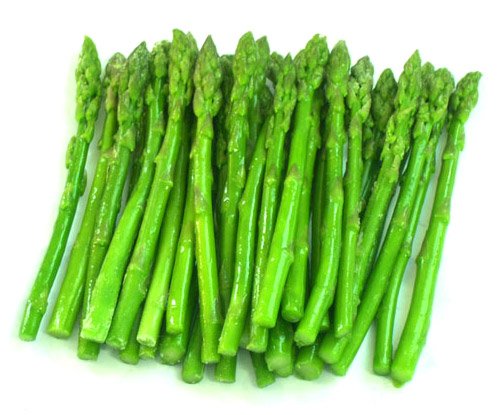
PHOTO: Asparagus
http://i00.i.aliimg.com/photo/v0/51724872/Green_Asparagus.jpg

1) Asparagus

IF you love asparagus, you'll be glad to know that it's a non-starchy vegetable with only five grams of carbohydrates per serving and nearly two grams of dietary fibre. It is also high in the B vitamin folate, vitamin C, and a health-promoting antioxidant called glutathione.

Glutathione can help boost the immune system and promote lung health by protecting against viruses.

Besides, the American Heart Association recommends including foods containing folate and other B vitamins in your diet to help lower homocysteine levels. A serving of asparagus is 1/2 cup, or 115g cooked, and provides 33 per cent of the daily recommendation of 400 micrograms of folate, according to the Food and Drug Administration.


From: http://health.asiaone.com/Health/Eat%2BRight/Story/A1Story20100929-239634/2.html


PHOTO: Yogurt
http://www.asiaone.com/a1media/health/01Jan10/images/yoguru.jpg
http://health.asiaone.com/Health/Eat%2BRight/Story/A1Story20100929-239634/2.html

2) Yogurt

A sweet treat that is creamy, delicious and good for you.


An excellent source of calcium, which helps promote bone health and teeth as well as muscle and blood vessel function, yogurt is also a good source of energy-boosting vitamin B2 (riboflavin) and protein. It also provides zinc, which can be deficient in some people with diabetes and aids in immune function and wound healing.

Probiotic yogurt contains health-promoting bacteria that is beneficial for digestive health, including lactose intolerance and irritable bowel syndrome.

There are different yogurts to choose from, such as Greek yogurt which is thicker than regular yogurt.

Add a zero-calorie sweetener (or a teaspoon of honey), nuts or sunflower kernels or a sprinkle of whatever spices that sound good - cinnamon, cardamom, or ginger. One serving of two per cent Greek yogurt is 170g.


From: http://health.asiaone.com/Health/Eat%2BRight/Story/A1Story20100929-239634/3.html


PHOTO: Beans
http://www.asiaone.com/A1MEDIA/wdu/06Jun07/azuki_001a.jpg
http://health.asiaone.com/Health/Eat%2BRight/Story/A1Story20100929-239634/3.html

3) Beans
You can't go wrong with beans. Beans are high in fibre and protein and are a good source of vitamins and minerals, such as folate, iron, magnesium and potassium, which is essential for the water balance between the cells and body fluids.

There are many delicious varieties to choose from, such as black, kidney, garbanzo, white, lima, and pinto. Soak and cook dry beans or use canned beans. Try serving beans as your main protein source for lunch or dinner a couple times a week. Protein is an important part of your daily nutrition and it helps the body repair and produce cells as well as build muscle and bones.

The American Diabetes Association counts one serving of beans, or 1/2 cup, as one starch and one lean meat.


From: http://health.asiaone.com/Health/Eat%2BRight/Story/A1Story20100929-239634/4.html


PHOTO: Broccoli
http://health.asiaone.com/A1MEDIA/health/09Sep10/images/20100929.112501_dia2.jpg
http://health.asiaone.com/Health/Eat%2BRight/Story/A1Story20100929-239634/4.html

4) Broccoli
DON'T underestimate the nutritional power of broccoli.

Truly a super food, this non-starchy vegetable has more vitamin C per 100g than an orange and is considered a good source of fibre and the antioxidant beta-carotene, which the body uses to make vitamin A.

Its vitamin A power promotes healthy vision, teeth, bones and skin. Vitamin C is essential for healing wounds and is a disease-fighting antioxidant.

One serving of broccoli is one cup raw or 1/2 cup cooked.


From: http://health.asiaone.com/Health/Eat%2BRight/Story/A1Story20100929-239634/5.html


PHOTO: Carrot
http://health.asiaone.com/A1MEDIA/health/09Sep10/images/20101006.161916_st_carrot.jpg
http://health.asiaone.com/Health/Eat%2BRight/Story/A1Story20100929-239634/5.html

5) Carrots

COOKED or raw, carrots are a healthy addition to any meal plan. Have them for a snack with two tablespoons of light ranch dressing or include them in your main course or as a side dish.

It provides vitamin A from the antioxidant beta-carotene. Carotenoids found in yellow and orange vegetables may also help reduce insulin resistance.

Carrots are also another source of fibre and heart-healthy flavonoids, which can also be enjoyed as a juice with other fruits and vegetables such as apples, beets, and ginger.

One serving of carrots is one cup raw or 1/2 cup cooked.


From: http://health.asiaone.com/Health/Eat%2BRight/Story/A1Story20100929-239634/6.html


PHOTO: Fish
http://www.asiaone.com/a1media/wdu/03Mar08/images/20080326.104920_yellowlightrestaurantteochewsteamedfish_350x175.jpg
http://health.asiaone.com/Health/Eat%2BRight/Story/A1Story20100929-239634/6.html

6) Fish
FISH is a great addition to your meal plan, especially Omega 3-rich fatty fish such as salmon, trout, tuna, sardines, mackerel and herring. Omega 3, a type of polyunsaturated fat, can help lower triglycerides. It is said to be able to reduce inflammation, lower blood pressure and reduce the risk of blood clots.

Although fish is good for you and is considered a lean-meat substitute for its high protein, be careful of the harmful mercury levels and other toxins found in some fish.

According to the American Heart Association, swordfish, shark, golden bass, golden snapper, and king mackerel have the highest mercury levels. Fish lower in mercury for a 85g serving include wild salmon, herring, catfish, and canned light tuna. Try preparing fish on the grill, baked, broiled, or steamed.

One serving of fish is 28g.


From: http://health.asiaone.com/Health/Eat%2BRight/Story/A1Story20100929-239634/7.html


PHOTO: Oatmeal
http://www.asiaone.com/A1MEDIA/wdu/03Mar08/20080305.101848_oats.jpg
http://health.asiaone.com/Health/Eat%2BRight/Story/A1Story20100929-239634/7.html

7) Oatmeal

A BOWL of oatmeal in the morning will keep you full for longer, getting you to your mid-morning snack or lunch. The soluble fibre in oats can help lower cholesterol, improve blood pressure and stabilise blood glucose by slowing digestion. Oats are also a source of antioxidants.

Flavour oatmeal with cinnamon or artificial sweeteners to keep calories low. Oats also provide vitamin E and B as well as magnesium and potassium, which may help lower blood pressure.

There are several types of oatmeal to choose from. Steel-cut oatmeal has a dense, thick texture and can take up to 45 minutes to cook, while old-fashioned (or rolled) oats are thinner and take less time to cook. The less processed the oat, such as steel-cut oatmeal, the lower it is on the glycemic index, which may help control blood glucose.

Quick cooking oatmeal and instant oatmeal are also available. Be sure to check the labels for added salt and sugar.

One serving of oatmeal is 1/2 cup.


From: http://health.asiaone.com/Health/Eat%2BRight/Story/A1Story20100929-239634/8.html


PHOTO: Spinach
http://health.asiaone.com/A1MEDIA/health/09Sep10/images/20100929.112501_dia3.jpg
http://health.asiaone.com/Health/Eat%2BRight/Story/A1Story20100929-239634/8.html

8) Spinach
POPEYE ate spinach for a reason. This dark green leafy vegetable is loaded with vitamins and minerals, including vitamins B2 and B6, folate, copper, magnesium, potassium, zinc and fibre.

Studies have found that spinach has the potential to decrease the risk of cancer, cataracts and heart disease. Spinach is high in beta-carotene, an antioxidant that the body uses to make vitamin A. Beta-carotene helps protect the body's cells from free radicals, which contribute to chronic illness and ageing.

When buying canned spinach, choose a low sodium one. One serving of spinach is 1/2 cup cooked or one cup raw, which is great for salads.


From: http://health.asiaone.com/Health/Eat%2BRight/Story/A1Story20100929-239634/9.html


PHOTO: Soya
http://wineanddine.asiaone.com/migrated/wdu/reviews/restaurants/chinese/pics/20060604_001a.jpg
http://health.asiaone.com/Health/Eat%2BRight/Story/A1Story20100929-239634/9.html

9) Soya
OFTEN used as a substitute for animal products, soya is an excellent power food to incorporate in your diet, even if you aren't a vegetarian. Soya can be eaten in whole bean form, such as baby green soya beans called edamame, which is the highest in protein. Other soya products include soya milk or cheese, tofu, soya nuts, or vegetarian meatless products.

Soya is also a source of niacin, folate, zinc, potassium, iron, and alpha-linolenic acid (ALA), a fatty acid that can be converted into Omega 3 fatty acids, known to help lower cholesterol.

It also contains nutrients such as niacin, zinc, potassium and folate that serve important functions in the body. However, do check with a health-care professional before increasing potassium intake if you have kidney complications or kidney disease.

Serving sizes depend on whether soya is consumed in food or drink.


From: http://health.asiaone.com/Health/Eat%2BRight/Story/A1Story20100929-239634/10.html


PHOTO: Nuts
http://www.asiaone.com/a1media/health/01Jan10/others/20100107.160503_choles.jpg
http://health.asiaone.com/Health/Eat%2BRight/Story/A1Story20100929-239634/10.html

10) Nuts
NUTS are a good source of protein, fibre, vitamin E, and flavonoids and are power-packed with monounsaturated fat.

Plant sterols known to lower cholesterol also naturally occur in nuts. But be careful. Although nuts contain healthy fats, they are also high in calories. Walnuts, almonds, macadamia nuts, pecans and hazelnuts are just some of the nuts that can help lower LDL (bad) cholesterol, making them heart-healthy choices.

Eat nuts in moderation and avoid salted, sugared or chocolate-covered options that increase calories and decrease their natural health benefits. One serving of almonds, cashews, or mixed nuts is six nuts. One serving of pecans is four halves, a serving of hazelnuts is five nuts, and a serving of pistachios is 16 nuts, as per the American Diabetes Association.
By Sushma Veera, Thu, Oct 07, 2010, New Straits Times

Reference

Wednesday, October 6, 2010

Dieters need a good night's sleep to fight fat: study

Source Website: http://health.asiaone.com/Health/News/Story/A1Story20101005-240612.html
By Reuters, Tue, Oct 05, 2010


PHOTO: http://health.asiaone.com/a1media/health/04Apr10/images/20100412.115810_sleepingcouple.jpg (ST)

NEW YORK, US - Getting too little sleep might prevent dieters from losing as much body fat as they otherwise would have, a small study suggests.

The findings, published Monday in the Annals of Internal Medicine, add to evidence that sleep habits play a role in weight regulation. They also suggest that people embarking on a weight-loss plan may want to make sure they are catching enough shut-eye each night, researchers say.

The study included 10 overweight men and women who lived in a sleep lab for two separate two-week periods. During both, they were kept on the same calorie-restricted diet; but for one period, the participants slept for 8.5 hours per night, while during the other, they got 5.5 hours.

Researchers found that the dieters lost the same amount of weight under both conditions -- just under 7 pounds, on average. But during the sleep-restricted period, they mainly lost muscle rather than fat.

When participants got 8.5 hours of sleep, more than half of their weight loss came from shedding fat; when they got 5.5 of sleep, only one-quarter of their weight loss came from fat - translating to a 55 percent reduction in fat loss.

Instead, the majority of people's weight loss during the sleep-restricted period came from lean body tissue, which refers to muscle and any other body tissue that is not fat.

"So they lost the same amount of weight, but the composition was different," said senior researcher Dr. Plamen Penev, an assistant professor of medicine at the University of Chicago.

Successful dieters always shed a certain amount of muscle, Penev noted in an interview, but ideally one wants to limit that loss in favor of shedding excess body fat. Insufficient sleep, the current findings suggest, might interfere with that.

The study has a number of limitations. Besides its small size, it also looked only at short-term weight loss.

More research is needed to see how sleep duration might affect dieters' body composition over time, Penev said.

It's also unclear how well these findings from a tightly controlled sleep-lab setting might translate to the "real world," according to Penev.

Still, the findings do add to a body of research linking sleep habits to body weight. A number of studies have found that self-described "short sleepers" - typically defined as those who get less than 6 hours of sleep each night - tend to weigh more or gain more weight over time than people who get seven to eight hours of sleep per night.

Those studies do not, however, prove that sleep differences are the reason for the weight differences.

Small sleep-lab studies such as the current one help researchers zero in on the effects of sleep itself.

Lab studies have suggested, for example, that sleep loss may alter people's levels of the "hunger hormones" leptin and ghrelin. Leptin is secreted by fat cells; low blood levels of the hormone promote hunger, while increases tell the brain that body is full and encourage calorie burning. Ghrelin is secreted by the stomach to boost appetite.

In their study, Penev and his colleagues found that under the sleep-restricted condition, participants reported greater hunger during the day compared with the 8-hour sleep condition - even though they consumed the same number of calories during both periods. They also had higher blood levels of acylated ghrelin, one form of the appetite-boosting hormone.

This, Penev said, raises the question of whether, outside the tight control of the lab, the sleep-deprived dieters would have eaten more.

"The study suggests that if you are trying to lose weight by restricting your calories, it may be more difficult if you are sleep deprived," Dr. Shahrad Taheri, of the University of Birmingham in the UK, told Reuters Health in an email.

As for how much sleep is enough, "I don't think at this stage we can recommend a specific number of hours of sleep, as sleep is very individualized," said Taheri, who co-authored an editorial published with the study.

"But what we can do," Taheri added, "is pay more attention to our daily routines of eating, physical activity, and also sleep."

Penev agreed that there is no one-size-fits-all prescription for sleep. He suggested that people try to notice how much sleep they generally need to feel refreshed the next morning; for some people that may be 6 hours, for others it may be 8.

Both Penev and Taheri said that more studies are needed in real-world settings. According to Penev, a study might, for instance, follow patients at a weight-loss clinic to see how their typical sleep habits correlate with their weight-loss success.

As for why fewer hours in bed may cause the body to preferentially lose muscle over fat, Penev said he and his colleagues can only theorize. Their guess is that the extra waking hours increase the need for glucose (sugar) in the brain and other parts of the nervous system - and they get that extra fuel from breaking down muscle.
By Reuters, Tue, Oct 05, 2010

SOURCE: Annals of Internal Medicine, October 4, 2010.


Reference

Saturday, October 2, 2010

Could Goldilocks planet be just right for life?

MY PAPER, FRIDAY OCTOBER 1, 2010, PAGE A10, WORLD
From
http://myepaper.mypaper.sg/ebook/web_php/fvbrowserjs.php?urljs=http://myepaper.mypaper.sg/ecreator/sphopf/mya011010cnd_opf_files/mya011010cnd.js&ver=Gen
Website:
http://news.yahoo.com/s/ap/20100929/ap_on_sc/us_sci_new_earths
By
SETH BORENSTEIN, AP Science Writer Seth Borenstein, Ap Science Writer – Wed Sep 29, 7:19 pm ET


PHOTO: INHABITABLE ZONE: This rendering by National Science Foundation’s Lynette Cook shows a new planet (right) in the Goldilocks zone, where conditions crucial for life are present.
(
PHOTO: AP)
MY PAPER, FRIDAY OCTOBER 1, 2010, PAGE A10, WORLD


WASHINGTON – Astronomers say they have for the first time spotted a planet beyond our own in what is sometimes called the Goldilocks zone for life: Not too hot, not too cold. Just right.

Not too far from its star, not too close. So it could contain liquid water. The planet itself is neither too big nor too small for the proper surface, gravity and atmosphere.

It's just right. Just like Earth.


PHOTO: An artist rendering by Lynette Cook, National Science Foundation, shows the new planet on the right
AP Photo/Zina Deretsky, National Science Foundation

http://l.yimg.com/a/p/us/news/editorial/b/02/b02055742be71591472ce8c3fd612edd.jpeg
http://news.yahoo.com/s/ap/20100929/ap_on_sc/us_sci_new_earths


"This really is the first Goldilocks planet," said co-discoverer R. Paul Butler of the Carnegie Institution of Washington.

The new planet sits smack in the middle of what astronomers refer to as the habitable zone, unlike any of the nearly 500 other planets astronomers have found outside our solar system. And it is in our galactic neighborhood, suggesting that plenty of Earth-like planets circle other stars.

Finding a planet that could potentially support life is a major step toward answering the timeless question: Are we alone?


PHOTO: 'Goldilocks' planet
AP, Wed Sep 29, 5:43 PM ET

http://d.yimg.com/a/p/ap/20100929/capt.7e4574a9e56348109f878f3f99936813-7e4574a9e56348109f878f3f99936813-0.jpg?x=400&y=309&q=85&sig=iRutGVgyqsfBQ_iSefTICw--
http://news.yahoo.com/s/ap/20100929/ap_on_sc/us_sci_new_earths


Scientists have jumped the gun before on proclaiming that planets outside our solar system were habitable only to have them turn out to be not quite so conducive to life. But this one is so clearly in the right zone that five outside astronomers told The Associated Press it seems to be the real thing.

"This is the first one I'm truly excited about," said Penn State University's Jim Kasting. He said this planet is a "pretty prime candidate" for harboring life.

Life on other planets doesn't mean E.T. Even a simple single-cell bacteria or the equivalent of shower mold would shake perceptions about the uniqueness of life on Earth.

But there are still many unanswered questions about this strange planet. It is about three times the mass of Earth, slightly larger in width and much closer to its star — 14 million miles away versus 93 million. It's so close to its version of the sun that it orbits every 37 days. And it doesn't rotate much, so one side is almost always bright, the other dark.


PHOTO: 'Goldilocks' planet
Wed Sep 29, 5:07 PM ET

http://d.yimg.com/a/p/afp/20100929/capt.photo_1285794313612-1-0.jpg?x=400&y=279&q=85&sig=rmN8pt58rzK3afpfdyWLnA--
http://news.yahoo.com/s/ap/20100929/ap_on_sc/us_sci_new_earths


Temperatures can be as hot as 160 degrees or as frigid as 25 degrees below zero, but in betweenin the land of constant sunrise — it would be "shirt-sleeve weather," said co-discoverer Steven Vogt of the University of California at Santa Cruz.

It's unknown whether water actually exists on the planet, and what kind of atmosphere it has. But because conditions are ideal for liquid water, and because there always seems to be life on Earth where there is water, Vogt believes "that chances for life on this planet are 100 percent."

The astronomers' findings are being published in Astrophysical Journal and were announced by the National Science Foundation on Wednesday.

The planet circles a star called Gliese 581. It's about 120 trillion miles away, so it would take several generations for a spaceship to get there. It may seem like a long distance, but in the scheme of the vast universe, this planet is "like right in our face, right next door to us," Vogt said in an interview.

That close proximity and the way it was found so early in astronomers' search for habitable planets hints to scientists that planets like Earth are probably not that rare.

Vogt and Butler ran some calculations, with giant fudge factors built in, and figured that as much as one out of five to 10 stars in the universe have planets that are Earth-sized and in the habitable zone.


PHOTO: 'Goldilocks' planet
Wed Sep 29, 7:00 PM ET

http://d.yimg.com/a/p/rids/20100929/i/r1948638359.jpg?x=400&y=309&q=85&sig=6uRzeoBgj29Vt_jtwEit5w--
http://news.yahoo.com/s/ap/20100929/ap_on_sc/us_sci_new_earths


With an estimated 200 billion stars in the universe, that means maybe 40 billion planets that have the potential for life (20%), Vogt said. However, Ohio State University's Scott Gaudi cautioned that is too speculative about how common these planets are.

Vogt and Butler used ground-based telescopes to track the star's precise movements over 11 years and watch for wobbles that indicate planets are circling it. The newly discovered planet is actually the sixth found circling Gliese 581. Two looked promising for habitability for a while, another turned out to be too hot and the fifth is likely too cold. This sixth one bracketed right in the sweet spot in between, Vogt said.

With the star designated "a," its sixth planet is called Gliese 581g.

"It's not a very interesting name and it's a beautiful planet," Vogt said. Unofficially, he's named it after his wife: "I call it Zarmina's World."

The star Gliese 581 is a dwarf, about one-third the strength of our sun. Because of that, it can't be seen without a telescope from Earth, although it is in the Libra constellation, Vogt said.

But if you were standing on this new planet, you could easily see our sun, Butler said.

The low-energy dwarf star will live on for billions of years, much longer than our sun, he said. And that just increases the likelihood of life developing on the planet, the discoverers said.

"It's pretty hard to stop life once you give it the right conditions," Vogt said.
By SETH BORENSTEIN, AP Science Writer Seth Borenstein, Ap Science Writer – Wed Sep 29, 7:19 pm ET


Reference